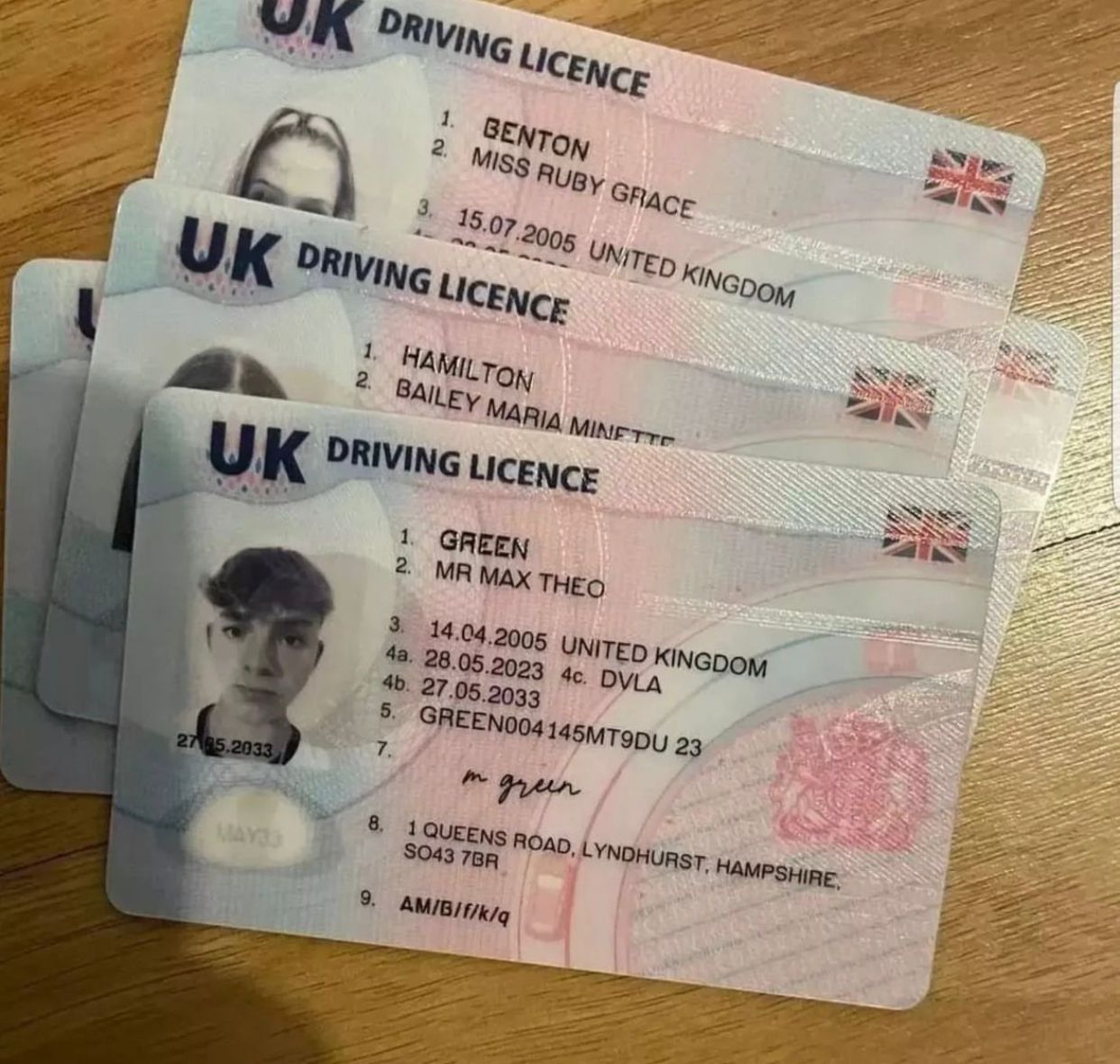
Where Will UK Driver License Be One Year From Today?


Understanding the UK Driver License: A Comprehensive Guide
Obtaining a driver license in the United Kingdom is an important action for lots of individuals intending to attain independence and movement. The system is structured, comprehensive, and involves different stages, each developed to make sure that new drivers possess the necessary skills and understanding to browse UK roadways securely. This short article aims to offer an in-depth introduction of the UK driver license, including the kinds of licenses, application process, requirements, and frequently asked concerns.
Types of UK Driver Licenses
The UK driver license system categorizes licenses into various types based upon the lorry classification. Here's a breakdown:
| License Type | Description | Age Requirement |
|---|---|---|
| Provisional License | Allows learner drivers to practice on the road under particular conditions. | 17 years of ages |
| Complete Driving License | Authorizes the holder to drive cars classed under classifications they have actually tested for. | 17 years old |
| Motorbike License | Permits riding various classes of motorbikes depending upon the kind of license. | 17 years old |
| HGV (Heavy Goods Vehicle) License | Required for driving automobiles over 3.5 tonnes. | 18 years old for Category C |
| PCV (Passenger-Carrying Vehicle) License | For buses and coaches. | 21 years old |
Phases of Obtaining a UK Driver License
The process of getting a driver license in the UK can be segmented into several crucial stages:
1. Look for a Provisional License
Before starting lessons, an individual must obtain a provisional driving license, which permits them to learn to drive legally. This can be done online or through a paper application. Secret requirements consist of:
- Being at least 17 years old (or 16 for a moped).
- Satisfying residency requirements and providing evidence of identity.
- Paying a fee (approximately ₤ 34 online or ₤ 43 by post).
2. Discovering to Drive
Once the provisional license is gotten, aiming drivers can take driving lessons. Learners should follow specific rules:
- Displaying 'L' plates on the lorry.
- Being accompanied by a qualified driver if driving on public roads.
- Finishing a minimum of 20 hours of driving lessons is recommended for much better preparation.
3. Theory Test
The UK theory test assesses a driver's understanding of road signs, rules, and hazard perception. It consists of 2 parts:
- Multiple Choice Questions: 50 questions with a passing mark of 43.
- Danger Perception Test: One must determine possible threats in videos, passing with 44 out of 75 points.
4. Practical Driving Test
The last action includes taking the practical driving test. Throughout Original UK Drivers License , the examiner evaluates the student's driving ability, roadway security awareness, and useful skills. Bottom line consist of:
- Completing an eyesight check.
- Carrying out a set variety of maneuvers (such as parallel parking, emergency situation stop).
- Addressing a car safety concern.
5. Getting a Full Driving License
Upon effective conclusion of the dry run, the driver will receive a pass certificate, which can be exchanged for a full driving license. This license grants all the rights of a driver subject to certain restrictions based on license categories.
License Categories
Understanding the different license classifications might be important for drivers aiming to drive particular vehicles. Below is a simplified list of crucial license classifications in the UK:
| Category | Lorry Type | Minimum Age |
|---|---|---|
| A | Motorcycles | 17 years of ages |
| B | Vehicles and light automobiles | 17 years old |
| C | Large lorries (over 3.5 tonnes) | 18 years of ages |
| D | Buses (passenger-carrying lorries) | 21 years of ages |
| E | Trailers (over 750 kg when integrated with Category B) | No minimum age however must have suitable classification |
Frequently asked questions About the UK Driver License
1. For how long does it take to get a UK driver license?
The duration for acquiring a UK driver license varies based on the person's readiness and accessibility of test slots. On average, it can take a few months to a year, consisting of lessons, studying for the theory test, and passing the useful test.
2. Can I drive with a provisionary license?
Yes, you can drive with a provisional license, but you need to be accompanied by a certified driver who is over 21 and has actually had a full driving license for at least three years.
3. What should I do if I lose my driver license?
If your driver license is lost or taken, you ought to report it to the local cops and look for a replacement through the DVLA (Driver and Vehicle Licensing Agency), which can be done online for a fee (normally around ₤ 20).
4. Exist any constraints with a provisional license?
Yes, constraints include not having the ability to drive alone and the requirement to display 'L' plates.
5. What takes place if I fail my driving test?
If you do not pass your driving test, you can reapply to take the test again. It is smart to continue practicing and studying before retaking it.
Getting a UK driver license is an important step for those seeking to take pleasure in the freedom that includes driving. From the preliminary provisionary license application to the dry run, each stage is structured to promote safe driving practices. By understanding the requirements, types of licenses, and processes included, striving drivers can navigate their method to getting their full driving license with confidence.
Whether you are a learner or someone wanting to update your car classification, understanding the ins and outs of the UK driver license system will make it possible for a smoother journey towards attaining your driving objectives.